
The Role of Environment in Casino Design
The environment in which players find themselves significantly influences their behavior and decision-making within casinos. From the moment guests enter, they are enveloped in a carefully crafted atmosphere designed to create excitement and an immersive experience. Factors such as lighting, sound, and layout play crucial roles in this environment. For instance, dim lighting and vibrant colors can evoke feelings of excitement and stimulation, encouraging players to indulge in the experience for longer periods, especially when they explore online pokies that are designed to captivate their attention. This attention to atmosphere is not merely for aesthetics; it is a strategic approach to enhance player engagement.
Moreover, the strategic placement of gaming machines and tables is designed to maximize visibility and foot traffic. Casinos often employ an open floor plan that facilitates easy movement while enticing guests to participate in games. Conscious decisions regarding the arrangement of amenities such as bars and dining areas also contribute to an engaging atmosphere, fostering social interactions and prolonged stay. This integration of various elements creates a holistic environment that keeps players engaged, as they are surrounded by a sensory experience that encourages them to explore further.
The scent of fresh air or the aroma of delicious food can subtly influence a player’s mood and spending habits. Casinos often use scent marketing, where specific fragrances are dispersed within the environment to enhance relaxation and elevate the overall gambling experience. This deliberate manipulation of sensory elements signifies how crucial environmental psychology is in casino design—each aspect is meticulously planned to promote a positive and addictive experience. The collective impact of these environmental factors can lead to players feeling a sense of belonging and excitement, making them more likely to return.
The Psychology of Colors in Casino Design
Color psychology plays a vital role in casino design, impacting emotions and perceptions. Different colors evoke distinct feelings; for example, red tends to stimulate energy and excitement, while blue is more calming and serene. Many casinos utilize a palette of reds and golds to promote feelings of luxury and urgency, encouraging patrons to make quick decisions about their bets. These color choices are intentional; they aim to create a sense of urgency that contrasts with the otherwise leisurely environment. This strategic use of color can significantly affect the overall mood and behavior of players.
Additionally, the use of contrasting colors can guide attention to specific areas within the casino. Brightly lit gaming areas attract players, while softer hues in lounge spaces promote relaxation and socializing. A well-thought-out color scheme ensures that potential players feel drawn to games without realizing they are being subtly influenced. This manipulation of color reduces impulsive decision-making or reinforces it, particularly when using colors associated with wealth or luck. By understanding how colors affect emotions, designers can create an atmosphere that aligns with their brand identity and enhances player engagement.
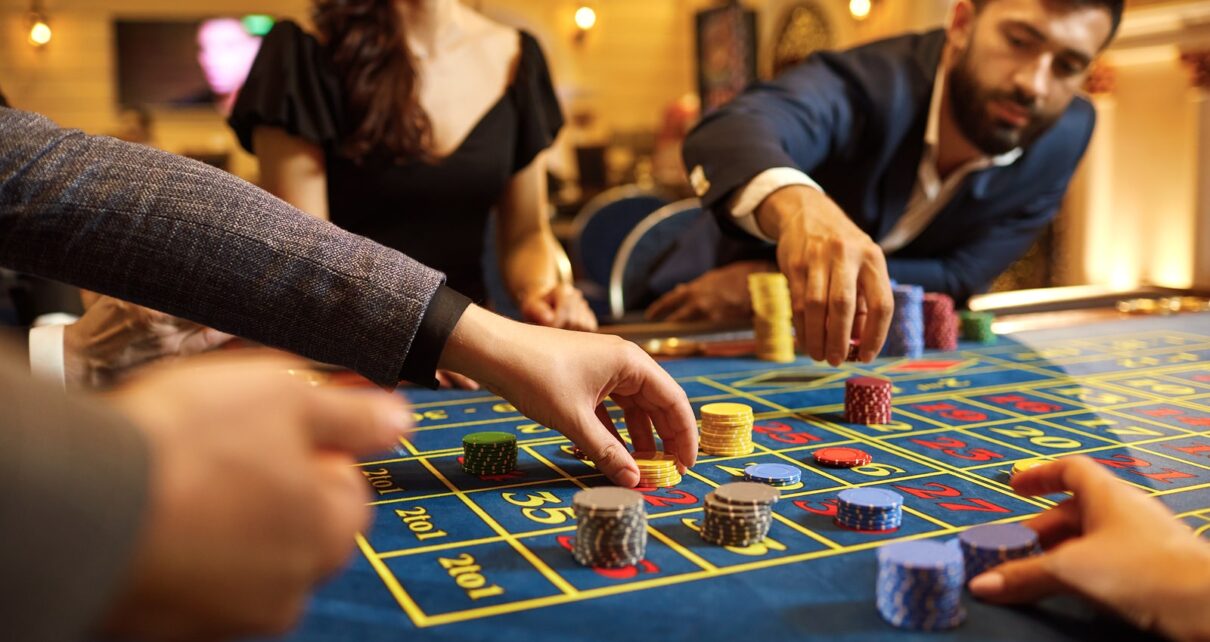
The alignment of colors with the casino’s branding further solidifies its identity. For instance, a high-end casino may utilize rich jewel tones and metallic accents to communicate exclusivity, while a more casual venue may favor vibrant, inviting shades to appeal to a wider audience. Understanding the psychological effects of color allows casino designers to create an environment that aligns with their marketing strategy while promoting customer retention and extended visits. Ultimately, the effective use of color can transform a player’s experience and contribute to the overall success of the casino.
The Use of Sound and Music in Creating Atmosphere
Sound design is another critical component of casino psychology. The auditory experience within a casino can significantly influence player behavior. The sounds of slot machines ringing and the ambient chatter of fellow players create an atmosphere of excitement and can even serve to heighten the emotional stakes of the games being played. As players hear bells and chimes indicating wins, they may feel a surge of positive reinforcement, prompting them to continue playing. This auditory feedback is designed to create a sense of accomplishment and encourage further spending.
Moreover, background music is carefully chosen to enhance the gaming experience. Upbeat tempos can energize the crowd and encourage social interaction, while slower melodies in dining areas can promote relaxation. This thoughtful selection ensures that the soundscape is not jarring or distracting, but instead complements the overall design strategy. Casinos often play familiar tunes that resonate with guests, creating nostalgia and comfort, which can be effective in retaining customers. The ability of sound to evoke memories and emotions plays a significant role in enhancing the gaming experience.
Additionally, the volume of sound is meticulously controlled to maintain an exciting atmosphere without becoming overwhelming. As players become engrossed in gameplay, the layering of sounds can create an immersive experience. This intricate balance between sound and ambiance highlights how crucial auditory elements are in casino design, as they work synergistically with visual aspects to enhance engagement and prolong a player’s visit. By carefully curating the sound environment, casinos can manipulate the emotional response of players to foster a more enjoyable and memorable experience.
The Importance of Layout and Flow in Functionality
The layout of a casino is designed strategically to facilitate flow and maximize engagement. Casinos typically feature a maze-like structure that guides players through gaming areas without obvious exits, making it difficult for them to leave. A thoughtful layout embodies a strategy that encourages exploration while ensuring easy access to various games and amenities. This layout is purposefully engineered to reduce the likelihood of players exiting the area, keeping them invested in their experience. The design encourages players to discover new games and areas, leading to longer visits and increased spending.

In addition, the placement of high-stakes tables near entrances and walkways serves a dual purpose. It not only draws attention but also fosters aspiration among other players, enticing them to try their luck at higher stakes. Furthermore, the arrangement of gaming machines is often designed so that players can view others winning, increasing the perception of potential success and encouraging others to join in. This manipulation of space fosters a sense of community, enticing casual players to immerse themselves in the gaming culture. The design encourages social interaction, which can further enhance the appeal of the casino environment.
The smooth flow through the casino is crucial for maintaining momentum and excitement. A well-planned layout helps ensure that players do not feel lost or overwhelmed and can easily navigate between games, dining, and entertainment options. This approach to design highlights the primary objective of casinos: to create a seamless experience that keeps players engaged, ultimately leading to extended visits and increased spending. By considering how players move through the space, designers can create an atmosphere that feels both inviting and exhilarating, ensuring that patrons feel comfortable and encouraged to explore further.
Conclusion and Insights on Casino Design
Understanding the psychology behind casino design reveals the intricacies involved in creating an engaging, immersive experience for players. From environmental factors to auditory elements and layout, every aspect of a casino is meticulously planned to influence behavior. By employing strategies based on psychological principles, casino designers can effectively enhance the likelihood of players spending more time and money in their establishments. The interplay of colors, sounds, and strategic space arrangements forms a captivating environment that draws players into the gaming experience.
This ultimate goal—to amplify engagement and retention—demonstrates the profound understanding of human psychology that underpins successful casino design. A keen awareness of these elements can help ensure that casinos remain enticing environments for all players, whether they are seasoned gamblers or first-time visitors. As the industry evolves, a continued focus on player psychology will be essential for maintaining relevance and appeal in an increasingly competitive market.
As technology and trends evolve, the principles that govern casino design will continue to adapt. However, the foundational understanding of human behavior, emotions, and psychology will remain critical in shaping future gaming experiences. By continually exploring and refining these design elements, the industry can ensure that casinos stay current and provide an appealing setting for gaming enthusiasts across the globe. This ongoing evolution not only enhances the player experience but also contributes to the overall success and longevity of casino establishments.